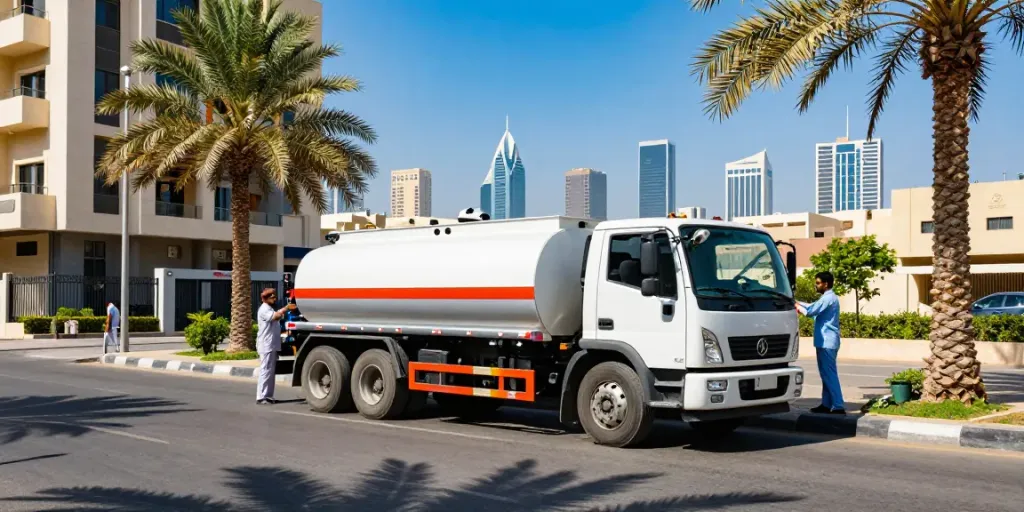
Understanding the Demand for Water Tankers in Riyadh
The demand for water tankers in Riyadh has seen a significant surge in the past few years, driven by factors such as population growth, urbanization, and increasing water scarcity. With the rapid expansion of residential and commercial areas, the necessity for reliable and immediate water supply solutions has never been more critical. For residents looking for efficient services, صهريج مياه بالرياض offers comprehensive insights into the options available for water delivery in the capital.
What are Water Tankers and Their Purpose?
Water tankers are specialized vehicles designed specifically for transporting water. They are equipped with tanks of varying capacities to meet different customer needs, be it residential, commercial, or industrial purposes. Their primary role is to provide a steady supply of water, especially in areas where piped water is either insufficient or completely unavailable. Water tankers play an essential role in replenishing personal and communal water storage systems, which is vital for maintaining daily activities.
Current Trends in Water Consumption in Riyadh
Riyadh’s water consumption patterns have evolved dramatically. With the growing population and escalating temperature levels, the demand for water has risen steeply. Recent reports suggest that the average daily water consumption per capita can reach up to 300 liters, emphasizing the critical need for consistent and reliable water sources. Additionally, the trend is shifting towards using treated wastewater and desalinated water to augment the supply, creating a complex landscape for water provision.
Why Choose Water Tankers Over Other Sources?
There are several advantages to opting for water tankers, particularly for residents in urban areas. Firstly, water tankers can deliver water directly to your location, bypassing the potential issues associated with piped systems, such as leaks or contamination. Secondly, they are versatile and can supply water in various capacities, catering to different needs, whether for personal use or filling large storage tanks. Lastly, they provide a quick response service, crucial during peak demand periods when other water sources may be overloaded.
The Process of Requesting a Water Tanker
Understanding the process of requesting a water tanker is essential for ensuring a smooth and efficient delivery experience. The steps involved are relatively straightforward, allowing users to obtain their needed water supplies with minimal hassle.
How to Place an Order for Water Delivery?
To place an order for a water delivery, customers can typically reach out to a water tanker provider via phone, mobile app, or online forms. The process generally involves:
- Selecting the type of service (residential or commercial).
- Choosing the size of the water tanker required.
- Providing delivery details such as location and desired timing.
- Confirming the order and payment details.
Different Types of Water Tank Sizes Available
Water tankers come in various sizes to cater to different customer needs. Common sizes include:
- 6 tons: Ideal for small households or filling smaller tanks.
- 12 tons: Suitable for medium-sized households or small businesses.
- 18 tons: Often chosen for larger households or higher usage scenarios.
- 30 tons: Generally used by industries or large residential complexes.
Payment Options and Pricing Insights
Most water delivery services offer multiple payment options to accommodate various customer preferences. Customers can usually pay via cash, credit/debit cards, or electronic transfers. Pricing may vary based on the size of the tanker, the distance to the delivery location, and the quality of water provided. It's crucial for customers to inquire about rates upfront to avoid any surprises.
Ensuring Water Quality and Safety
As water quality is a primary concern for consumers, understanding what makes water delivered by tankers safe is essential for making informed choices.
What Makes Water from Tankers Safe to Drink?
Water from tankers is considered safe to drink when it adheres to specific safety standards. This includes ensuring that the water is sourced from reputable suppliers, and undergoes regular testing for contaminants. Additionally, the tankers themselves must be adequately cleaned and maintained to prevent any cross-contamination.
Common Myths about Water Tank Quality
Several myths about water tanker quality exist, including the belief that all tanker water is unsafe. In reality, many reputable companies ensure their water is treated and tested. Educating consumers about these misconceptions is vital for fostering trust in water delivery services.
Best Practices for Storing Delivered Water
To maintain the quality of delivered water, customers should adhere to the following best practices:
- Store water in clean, sanitized containers.
- Avoid exposure to direct sunlight to limit algae growth.
- Seal storage tanks properly to prevent contamination from external sources.
Challenges Faced by Water Delivery Services
Despite the apparent benefits, water delivery services face challenges that can impact their operations and the satisfaction of customers.
Logistical Issues in Urban Areas
Urban areas like Riyadh present logistical challenges due to traffic congestion, narrow streets, and limited access points. These factors can lead to delays in service and increased operational costs, which can be passed on to consumers.
Regulatory Challenges and Compliance Standards
Water delivery companies must navigate a complex landscape of regulations and compliance standards. Ensuring that they meet all local and national water safety guidelines is essential for maintaining a reputable service and avoiding penalties.
Customer Satisfaction and Service Quality
Service quality is paramount for water delivery companies. Poor customer experiences, such as late deliveries or unresponsive customer service, can significantly impact a company's reputation. Regular training for staff and feedback mechanisms can help maintain high service standards.
Future Trends and Innovations in Water Delivery
The landscape of water delivery is continually evolving. Future trends and technological innovations promise to shape how services are delivered and managed.
Technological Advances in Water Supply Management
Smart technology, such as IoT-enabled water management systems, is at the forefront of innovations in water supply. These technologies can provide real-time data on water quality, usage, and delivery logistics, allowing companies to improve their operations and customer engagement.
Impact of Climate Change on Water Resources
Climate change presents a significant threat to water resources, making it essential for water delivery services to adapt their strategies. Increased variability in rainfall and rising temperatures may necessitate a greater reliance on alternative water sources, such as desalination.
Looking Ahead: The Water Delivery Landscape in 2026
By 2026, it is anticipated that water delivery services will be increasingly integrated with digital platforms, allowing for seamless ordering and tracking. Customer expectations will also evolve, with an increased emphasis on sustainability and water conservation practices.
What are the Risks of Ignoring Water Delivery Needs?
Failing to address water delivery needs poses several risks, including the potential for water shortages, increased health risks from contaminated supplies, and a decline in household quality of life. It is crucial for communities to develop proactive strategies to ensure a reliable water supply.
How to Prepare for Future Water Scarcity Challenges?
Preparation for future water scarcity involves a multi-faceted approach, including investment in water recycling technologies, community awareness campaigns about efficient water usage, and strengthening local water supply infrastructures. Communities can also explore partnerships with private sectors to enhance their water resilience.